Choosing a Vinegar for the Table
Compare everyday vinegars on cucumber, beans, and a warm pan sauce to find where each kind tastes most at home.
8 min read
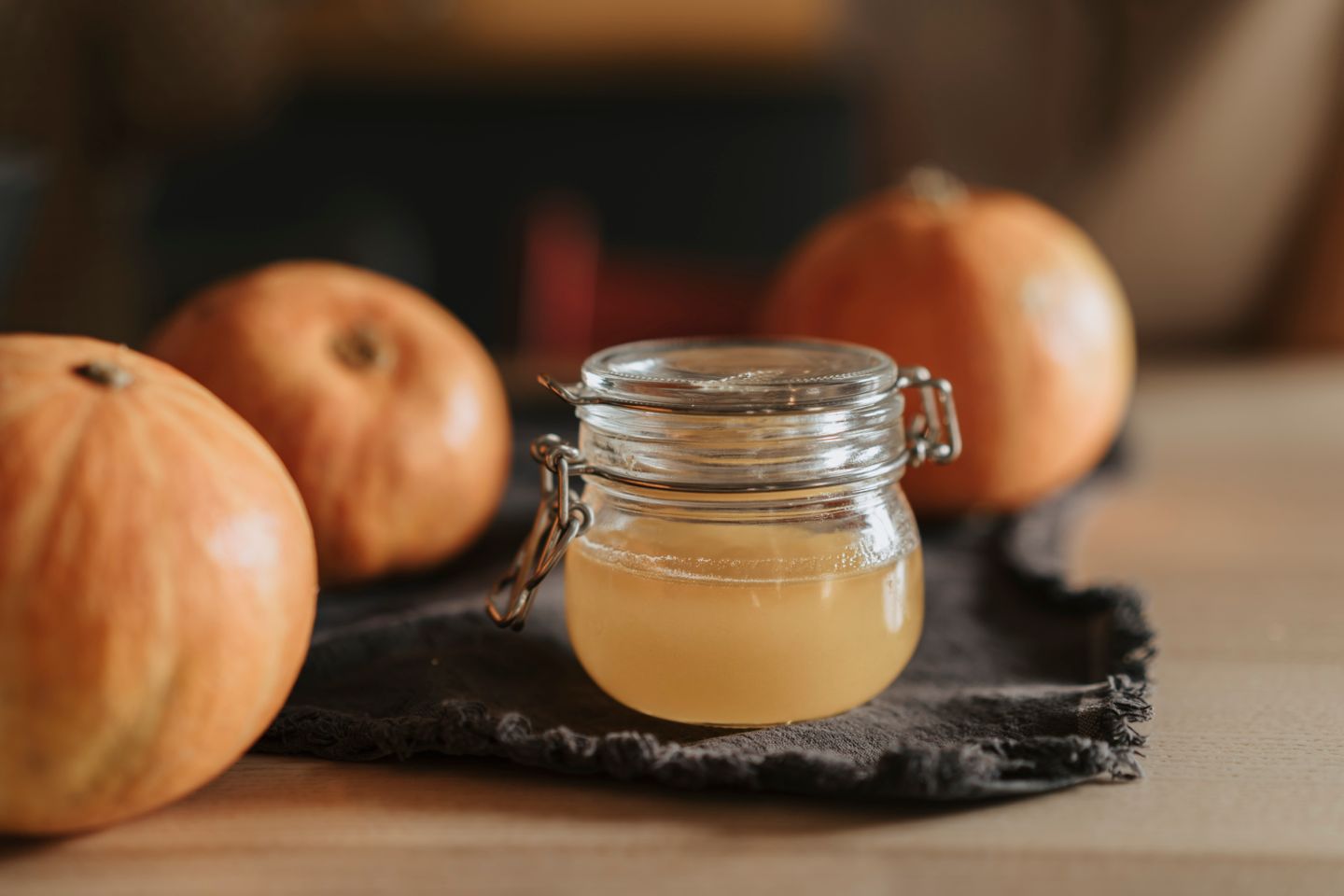
Pour a few drops of vinegar onto a piece of cucumber and wait until it reaches your tongue. The first impression is usually sharpness. A little later there might be an apple scent, a dry edge, or a sweetness that seems to linger. A vinegar that feels strong on a spoon can be very good on warm beans. Another can brighten a delicate salad without leaving much of itself behind. The choice becomes clearer when you taste with a piece of the actual food.
You do not need many bottles to find the difference. One with a mild fruit aroma and one that tastes a little more direct are enough to compare over dinner. If you only have a bottle of cider vinegar, divide a dish in two and use a different amount on each side. The result will show whether the problem was the particular bottle or the quantity reaching each forkful.
Read what the bottle is offering
For a basic cooking vinegar, choose one sold as food, with a readable label. Apple cider vinegar often brings a rounded fruit note that suits beans and cabbage. White wine vinegar commonly gives a cleaner, dry brightness that works well with cucumber, delicate greens, or a pale sauce. Red wine vinegar can have a more pronounced wine aroma and is particularly good with onions or a dish of lentils. The exact flavor depends on the producer. A taste alongside another vinegar will tell you more than the color alone.
Plain rice vinegar can be mild in a raw dish, especially in small amounts. Check whether it is seasoned. A seasoned bottle may contain salt and sugar, which affect both taste and the amount of seasoning needed elsewhere. Balsamic vinegar often contributes sweetness, a darker color, and a longer finish. Read the label to distinguish ordinary balsamic vinegar from a thick glaze or dressing that has already been sweetened and reduced. They are useful in different amounts even when they look similar through a dark bottle.
Some bottles state their acidity. That number is useful when following a tested preservation recipe that requires a particular strength. It does not tell you everything about how the vinegar will taste in a salad, where sweetness, salt, other aromas, and the food itself affect what you notice. Keep the discussion at the table for the examples below. A vinegar chosen by tasting salad dressing should never be substituted into a canning recipe unless the recipe specifically permits it.
Taste three drops with three slices
Cut three thin slices of a washed cucumber and put them on separate saucers. Leave one plain and put two or three drops of each of two vinegars on the others. If the bottles have wide necks, pour a little into spoons first. A small puddle under one slice and a few drops under another will make you compare quantity more than flavor. Taste the plain slice, then the two dressed slices. Give the sharper one a second to settle before trying the other.
Notice whether the vinegar makes the cucumber taste fresher, leaves a fruit note, or seems to cover the vegetable. Repeat with a small pinch of salt on each piece. A touch of salt can change what you notice about the acidity, especially in a very watery vegetable. If all three are pleasant, choose the one you would want as the first bite of a whole plate. The vinegar that stands out in a small taste may be too prominent when repeated across dinner.
If you want to learn about concentration, add a few drops of water to a separate spoonful of dressing and try it again. A little dilution can preserve the scent while reducing the initial sharpness. It can also leave the result flat if the vegetable already gives up a lot of water. On a salad that tends to leave a puddle, test the dressing after the vegetables have sat for a few minutes. Dress a freshly cut tomato and a drained cucumber separately to see how quickly the same vinegar starts to taste different.
Mix a dressing for a mild vegetable
Start with three teaspoons of oil and one teaspoon of white wine vinegar or plain rice vinegar. Add a small pinch of salt and stir. Dip a piece of vegetable into it. The proportion is only a place to begin. An assertive vinegar may need a little more oil or a few drops of water. A mild vinegar might need an extra few drops. Taste on the ingredient rather than judging the last drop left in the bottom of a cup.
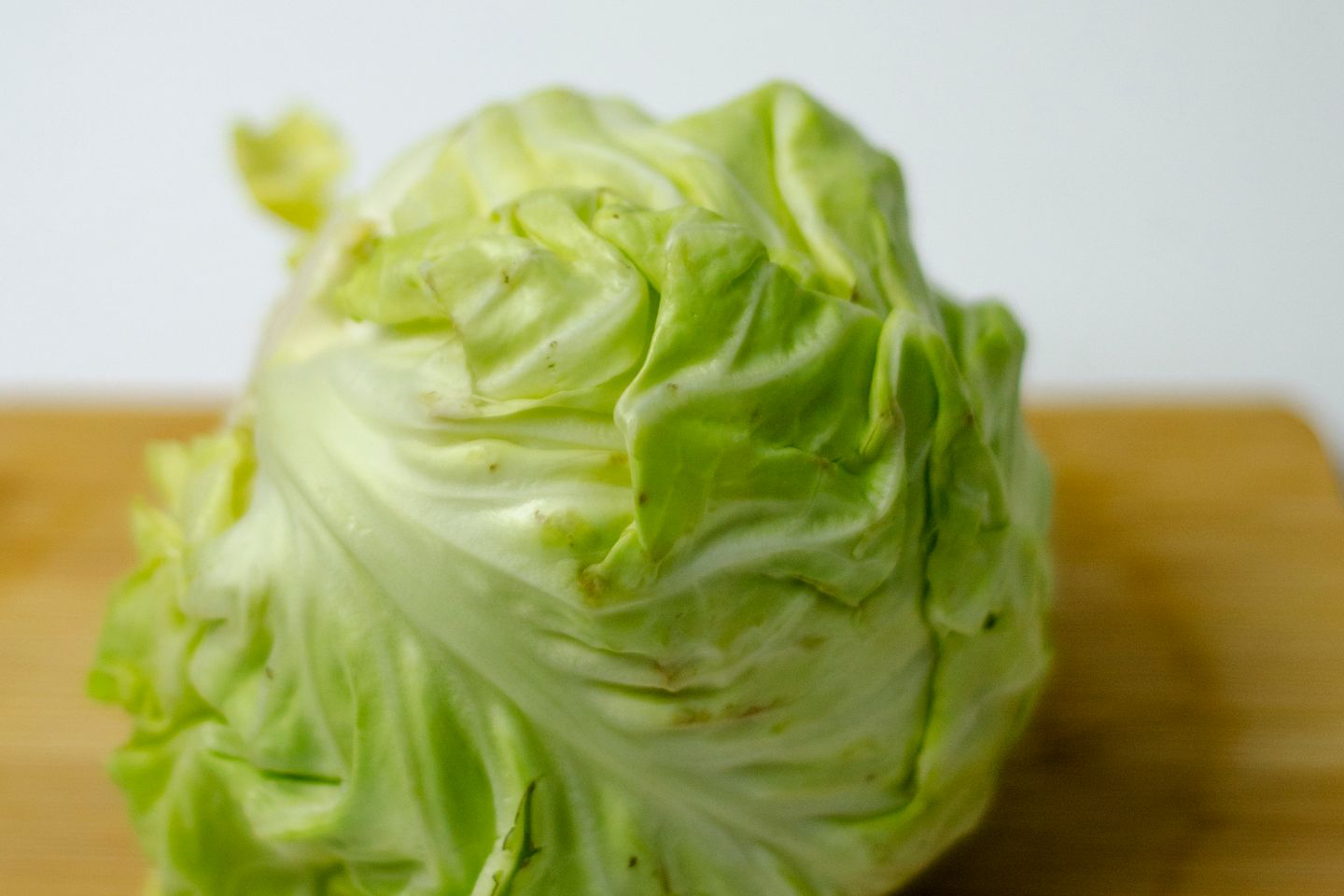
For cabbage or cucumber, dress lightly at first and wait a moment. The cut surfaces may release water and dilute the mixture. If you already salted the vegetables to soften them, drain them before adding dressing and wait before adding more salt. The dressing should make a fresh cut surface pleasant to eat without turning it soggy. A little mustard can help the oil and vinegar stay together long enough to toss a bowl. It will also add a flavor of its own, so try the plain mixture before deciding.
For tender leaves, mix just what you need. Spoon the dressing around the side of a broad bowl and lift the leaves through it once or twice. This gives the edges a chance to pick up oil and vinegar without leaving the bottom of the bowl full. If the leaves taste tired, try a few drops of a brighter vinegar on one bite instead of dressing the whole bowl a second time. You can compare that bite with the rest before adding anything more.
Give warm beans a rounder edge
For a plate of warm cooked beans, stir a teaspoon of cider vinegar into two teaspoons of oil. Spoon a little onto a small portion of the beans and give it a minute. Warm beans take up dressing readily and offer a broad, mild surface to taste it against. Add chopped parsley or a little diced onion if you want, then taste again. A strongly scented vinegar that was tiring on cucumber may feel pleasantly full here.
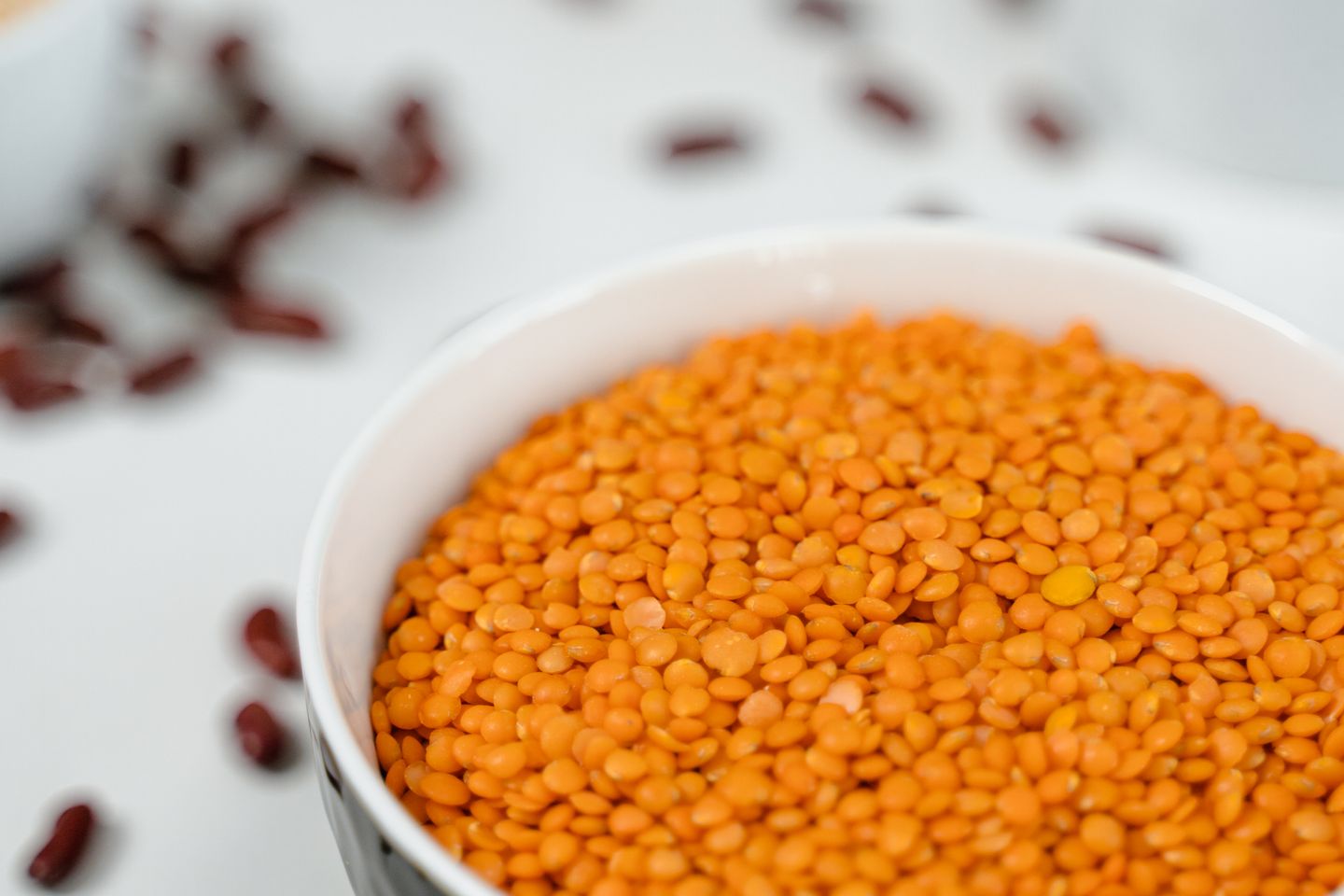
Red wine vinegar is another good choice for a salad of lentils and cooked carrots. The cooked carrots bring sweetness and the lentils provide some weight. Put a few on a plate with the vinegar before adding oil and salt. If the acid seems useful but the smell is stronger than you want, try half as much and bring the dressing to the right volume with a little water. Taste the lentils once warm and once cooler. A dressing can become easier to judge when it is no longer steaming.
Balsamic vinegar can be used with a roasted vegetable or a small portion of beans, but start with a few drops. The color makes it easy to see where it lands, so try it on one piece rather than drizzling over the whole plate. A thick balsamic glaze may be much sweeter than a regular vinegar. Use it as a final spoonful rather than the whole acid component of a dressing. If a dish already has sweet onions or glazed carrots, an ordinary unsweetened vinegar can give those ingredients a clearer edge.
Add a little near the end of a hot pan
When cooked vegetables leave a few browned patches in a skillet, slide the pan off direct heat and add a tablespoon or two of water or unsalted broth. Use a spoon to free the browned bits while the liquid is hot. Return it to gentle heat and add a few drops of vinegar. Taste once the strongest vapor has passed. A sauce that is too sharp at that point can be loosened with water or softened with a little butter. If it still tastes dull, add a few more drops off the heat and taste it on a cooked vegetable.
A thin sauce for a pale vegetable can be made with a little white wine vinegar. A sauce for browned mushrooms can take a more pronounced red wine vinegar. The food and the residue in the skillet matter more than the spoonful you taste by itself. Avoid a big splash from an open bottle above a hot pan. Measure it into a spoon first and add it where you can see the amount. That leaves enough room to change direction if the sauce is already lively.
You can also leave the hot pan alone and put a few drops on each finished plate. That gives you a cleaner impression of the vinegar's aroma and lets diners decide how much they want. The two methods can be tried side by side with very little work. Put one browned piece on a plate with sauce and another with vinegar and a drop of oil. Sometimes the simpler version suits a crisp surface better, while a loose sauce is useful with a pile of rice or beans.
Keep a bottle for the food you actually make
Store bottles as their labels direct and close the caps after use. Keeping two different kinds is useful only if they find their way onto the table. An ordinary bottle of cider or wine vinegar can serve a lot of meals if you add it in small amounts and give it something distinct to do. The best bottle for tomorrow might be the one whose flavor you could still pick out in today's cucumber test, or the one that disappeared neatly into the warm beans.
The next time dinner tastes a little flat, try a few drops on one bite before changing the whole pan. Ask what you notice after the first sharpness has passed. If you can taste more of the vegetable, the choice probably worked. If you mostly notice vinegar, use a smaller amount or try another bottle. One forkful is enough to make that decision while the rest of the dish is still yours to season.