The Dish That Goes Back
Follow a shared meal from one kitchen to the next and see how an empty baking dish can keep a relationship in motion.
8 min read
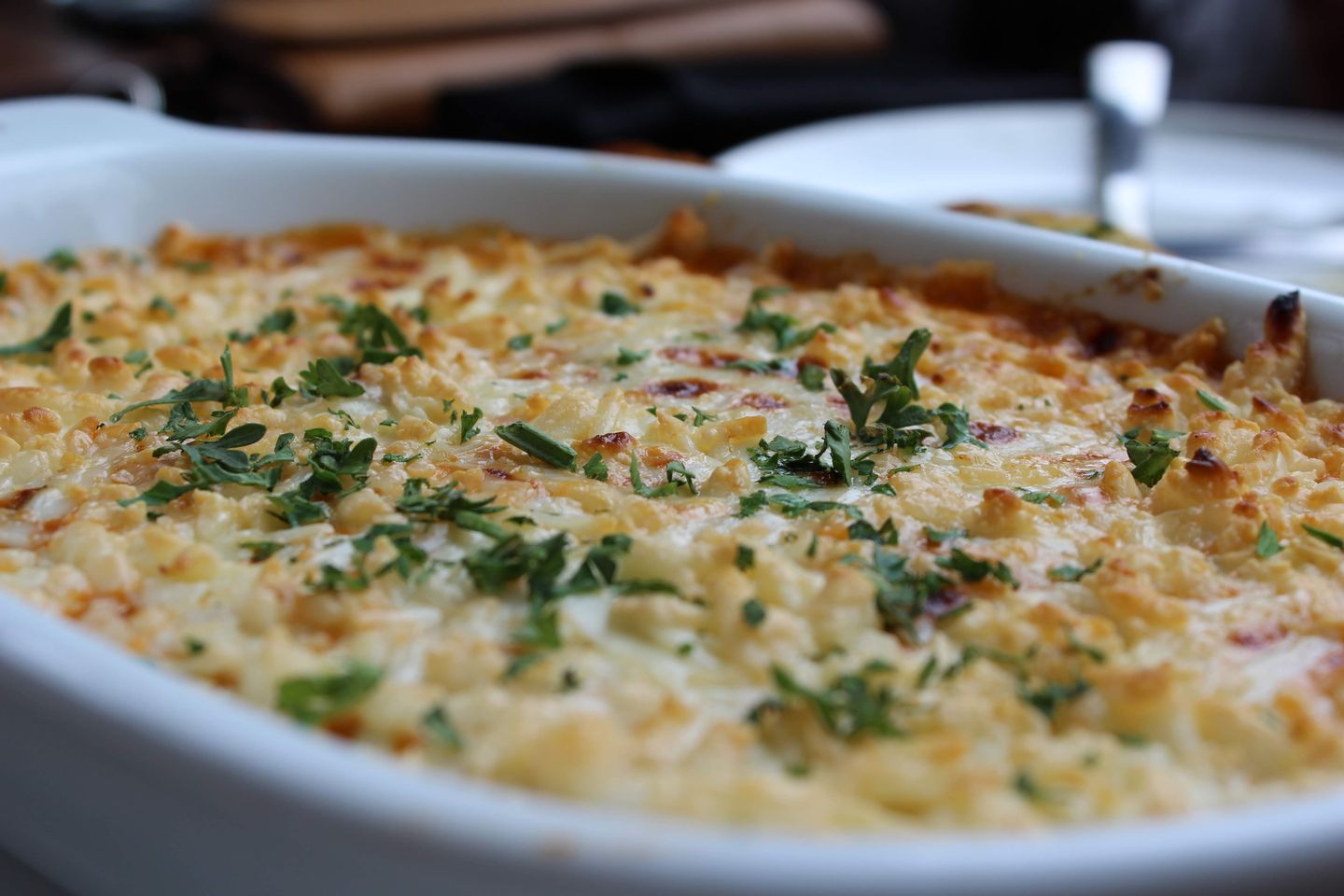
An empty casserole dish may sit near the door for longer than the casserole lasted. It has been washed, the lid has been found and there is a note on the kitchen counter to take it back. Each time someone leaves the house, the dish stays where it is. Then there is a knock, or somebody remembers it on the way to the shop, and the short visit that follows becomes the second half of the meal.
Food carried from one household to another comes with practical decisions that do not arise when you eat what you cook at home. The recipient must know what arrived and whether it needs heat, refrigeration or only a spoon. The cook needs to decide whether they can part with the container. Both households have to make room for a small task that may continue after the food is gone. The gift is easier to enjoy when those details are already settled.
Ask which part of the meal would help
A generous pan can be useful when several people have gathered in a house. It can be harder to manage for a person with little room in the refrigerator or a household that has already been given a great deal of food. Ask how many people are there and what they would use. A question about breakfast, lunch or dinner is sometimes easier to answer than a broad question about what someone wants. A loaf, some fruit or a portion of soup may meet the need as well as a full meal.
Some people want to be surprised. In that case, use what you already know about their tastes and avoid relying on an unfamiliar dish that needs extensive explanation. If you are unsure about an ingredient, ask. The ability to decline is part of a considerate offer. Give the other person a way to say they have enough food this week or would prefer something small. Their kitchen may be full of people, medication schedules, school lunches or leftovers you have not seen.
Think about when the meal should be eaten. Something prepared for tonight can arrive when people are available to put it away or sit down. If the recipient expects to eat later, agree on a safe way to chill and reheat it. Leave any details they need in writing so they can look at the note while using the food. A container that arrives at a door without explanation transfers a decision along with dinner. The cook can remove most of that work before leaving home.
Let the container fit the journey
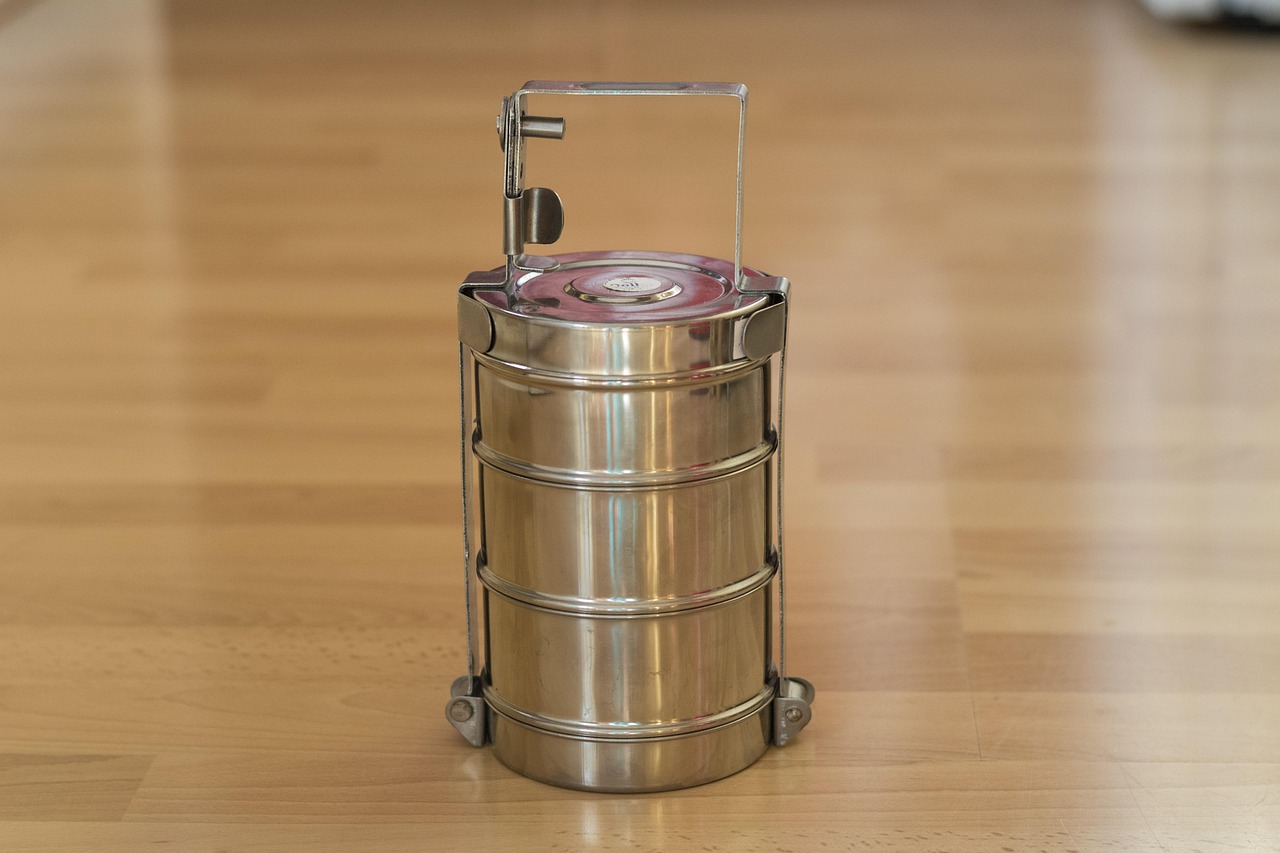
Choose a dish according to what will happen on both sides of the door. A wide heavy pan can hold a good amount, but it may be awkward to carry and larger than the recipient's available oven shelf. A dish with a fitted lid protects the food during the trip. A container that can go straight into the refrigerator makes the arrival simpler. If it will be reheated in the same dish, check that the vessel is suitable and tell the recipient which parts can go into the oven or microwave.
Make the portions easy to use. One large dish suits a household that will eat at once. Two small containers let somebody use the first portion and leave the second undisturbed. Cut portions ahead when the food will hold its shape after cutting and a person would have difficulty doing it at the table. With a dish meant to be spooned, leave enough room near the rim for a serving spoon. An extra bowl for something like a garnish can keep its texture intact. Make sure the instruction to add it travels with the meal.
Write your name on a removable label if you need the container back. If you can leave it indefinitely, say so. Borrowing a favorite baking dish can be a small pleasure when both people know the owner will collect it. It becomes a chore when the recipient wonders whether they need to return it before the next meal. A familiar lid or a distinctive piece of tape can help keep a vessel from disappearing into a larger collection after a busy evening.
Make the note say what the cook would say
A short note should identify the dish and give any practical information that is hard to guess. Mention the ingredients that may matter to the recipient, especially if you have discussed an allergy or preference. Say whether the meal is ready to eat and how it was stored or should be handled. If you expect them to reheat it, include suitable instructions for the dish. Keep any package information you might need to check. A handwritten label is easy to move onto a different lid, so be clear about which part goes where.
An ingredient list helps people choose what they can eat. If someone has an allergy, speak with them directly about what went into the dish and the conditions in which it was made. Be candid about shared equipment and any uncertainty about purchased ingredients. A person with a particular restriction may be more comfortable accepting a sealed item they have chosen themselves. Offer that possibility without requiring them to explain their entire situation.
The best short notes explain the optional parts without making the meal feel unfinished. You can mention that a sauce is good on the side or that a crisp topping should go on after warming. A squeeze of lemon or a spoonful of yogurt can stay up to the person who eats it. The dinner should make sense when the lid comes off. If it requires three additional ingredients or an hour's work, agree on that in advance so the recipient can decide whether it is a help.
Return the dish with the timing you agreed on
An empty container can go back whenever both households agreed it could. Wash it, dry it and check whether the lid and any attachments are present. If you took several containers from a group meal, compare labels before returning them. A container that belongs to one household can look remarkably similar to a container from another once the food is gone. If a piece is missing, tell its owner. An ordinary replacement may be easy, and a unique lid may be something they want to look for themselves.
A dish can be returned empty. There is pleasure in sending back a small thing when you happen to have one, but making it a rule can pass the work back to somebody who accepted dinner because they needed help. A note or a short conversation is a complete response. If you do want to return food, ask what would be welcome or choose a little something that can be put away easily. The new gift should have its own reason for arriving.
When leaving the container without a visit, agree on where it will be safe. A doorway may have no level surface. A shared entry may get enough traffic that a bag can disappear or be moved. Fragile dishes are better handed over or placed where they will be noticed promptly. Food needs its own arrangements for safe delivery, even if the two houses are close. The empty container is easier to move and can wait while people find time to see each other.
Remember what happened after the lid came off
The cook may never know when the food was eaten unless somebody tells them. A detail is often more satisfying than a general thank-you. The crust held up well in the second serving, a child liked the soft pieces in the corner or two people were glad to find enough for lunch. If the quantity was too large or the instructions were difficult to follow, that can be useful too when the two households are likely to do it again. Speak about what made the meal easy, and the next one may need even less coordination.
You can keep a useful dish out of the way between exchanges. Set aside a modest container that closes securely and is easy to replace if it does not return. Keep labels, clean utensils and a sturdy bag in the same part of the kitchen if you regularly take food to other people. Decide ahead of time whether a dish you particularly value should stay home. That makes it easier to respond when somebody has a reason to accept a meal and you have something ready to share.
If you are the one who received food, let the object wait in a place where it will be easy to find without getting in the way. You may need to return it on a day when you have only a moment. You may have time for a conversation on the doorstep and find that the dish is a good reason to stop. Both are ordinary outcomes. The meal already did its work when somebody had a plate of food without having to make it.
At the end of the exchange, the casserole dish goes back into a cupboard or straight into another dinner. It has kept a little bit of work moving between houses. The part worth repeating may be the recipe, but it may also be the decision to call first, write a short note or choose a container that could stay away for a while. Those details give a shared dish room to leave one kitchen and be at home in another.