Why the Bread Basket Stays
On a table full of dishes that have to be served at the right moment, a basket of bread gives people a small decision they can make for themselves.
8 min read
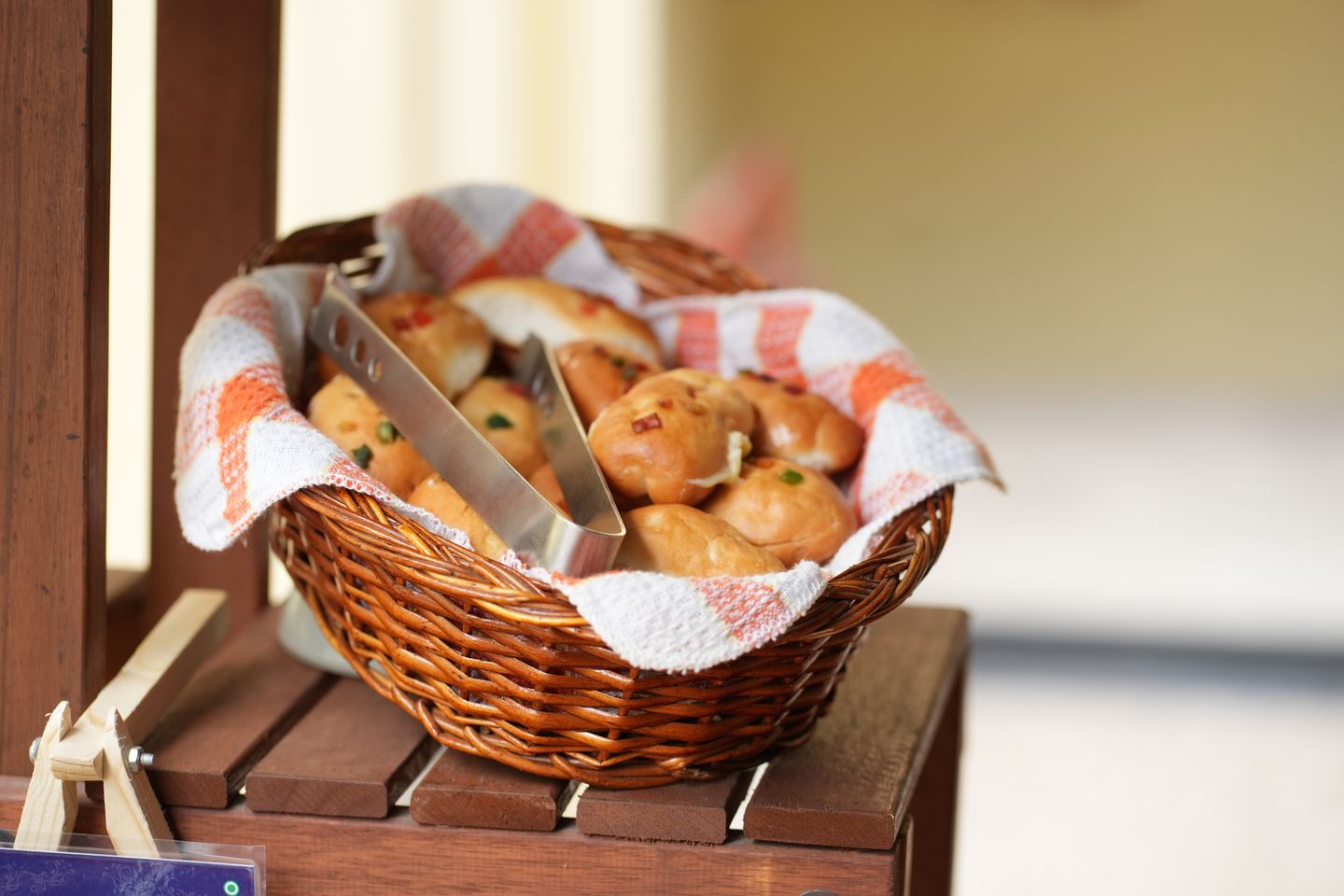
By the end of a meal, a basket can contain one heel, a few seeds and a fold of the cloth that kept the bread warm. It has usually traveled. Someone pulled it closer after the main dish came, and someone else set it at the far end to make room for the dessert plates. For an object that makes so little claim on the table, it tends to stay a remarkably long time.
Bread has different places in different meals. It can be the main thing eaten, a base for other food, a utensil held in the hand or a dish served with its own accompaniments. A basket that people pass around has a particular purpose within that range. It gives them food they can take when they wish, in whatever amount they can hold. On a table where everything else arrives already served, that is a small freedom.
The waiting piece
A slice eaten before the rest of the meal changes how waiting feels. At a dinner where the hot dishes need a few more minutes, a host can put bread down and return to the stove. Guests have something to do that requires no announcement. The cook gets a little more time to check the sauce or make room on the counter. A good waiting piece is easy to pick up and pleasant even if there is nothing to put on it.
This works differently from setting out a large appetizer. A basket can take very little space and be moved when the first platter arrives. It also allows guests to choose an amount for themselves. Someone who has come hungry can take two pieces. Another person can wait for dinner. A thin slice, a thick heel and a torn edge offer slightly different pleasures. If the pieces are very large, that choice disappears and each person has to commit to more than they might want.
On a quiet weekday table, the waiting piece might belong to the cook as much as anyone. Cut a thin end from a loaf while a pot comes up to temperature. Eat it with the butter you were going to put out anyway. The first cut also gives you a chance to decide whether the bread is fresh enough to serve as it is, or whether the remaining pieces would be better briefly toasted.
A piece of bread can finish a dish
Think about the liquid left in a bowl of beans. It can be the best part of the dish, concentrated and fragrant after the solids are gone. A piece of bread gives it another mouthful in which to appear. The kind of bread changes how that works. A porous piece can take up broth quickly and become soft before you lift it. A firm crust is easier to hold. If the sauce is thick enough to spread, a flatter slice gives you more room for it.
A basket earns its place through these little encounters. With a salad dressed in oil and lemon, the bread may taste better after it passes through the dressing left on the plate. With a cheese that has a strong rind, a mild slice lets the cheese have more of the attention. A seeded crust may add a crunch that a soft dish needs. The host can choose a loaf with the meal in mind without expecting each guest to use it the same way.
There is also the question of a meal's rhythm. A spoonful of a strongly flavored dish can call for a quieter bite before the next one. Bread that is pleasant on its own but has little seasoning will do this with ease. When the food on the table is simple and gently flavored, a darker loaf or something with a pronounced crust can carry more of the interest. Taste the bread and the dish together if the combination is unfamiliar. A bite can settle what a menu description leaves open.
Choosing a shape to pass
A round roll is convenient when many hands will use the basket. Each person can pick up one without touching the others. Slices use space efficiently, but soft bread can stick together after it has been cut. Fan the slices with some room between their top edges. A long loaf with a stiff crust may make tall wedges that stand well on a plate. Short pieces from a narrower loaf can be easier to fit into a small basket.
Torn pieces work best when they can come away neatly. With flatbread, cut or divide some portions before serving so a person can take one without holding the rest. A basket lined with a clean cloth can catch crumbs and make it easier to lift out the remaining pieces. If the bread is warm, fold part of the cloth over it loosely. When the crust needs to stay crisp, let steam escape instead of closing the cloth around a very hot loaf.
For a large gathering, two small baskets are easier to pass than one large one. They also give the people at both ends of the table a choice. Refill with a few pieces when needed. If the table serves soup, leave a spot away from bowls full of hot liquid where someone can set the basket down. If several spreads are out, put each on a dish with its own knife. Guests can then take the bread first and add what they want without keeping the basket in front of them.
What the heel is good for
The heel of a loaf is sometimes the first piece taken and sometimes the only one left. Its crust can make it difficult to spread soft butter on the cut face without pushing the whole thing around the plate. It can also make the piece ideal for toasting or for holding a small portion of a wet topping. If one end is unusually thick, cut it into two pieces so people who like the crust have a smaller choice.
A piece of bread left toward the end of dinner has been given a different job from one that arrived warm. If it has dried slightly, it may do better later in a skillet than it would beside the dessert. Cut sound leftover bread into cubes and toast them in a little oil for a crisp addition to soup. A couple of firm slices can be rubbed with a cut tomato and used as the base for a plate of beans. If you plan to make a savory bread pudding, the remaining bread can contribute to that meal without any need to protect its original texture.
Use the loaf's condition to make that decision. A dried edge can often be put to work in a dish that adds liquid. Bread with mold should be discarded rather than trimmed. When you know before dinner that the whole loaf is unlikely to be eaten, slice only the amount you expect to serve and store the rest. An uncut piece will give you more options than a pile of slices that have spent the evening exposed.
Even a loaf that was cut for one evening can leave a little room for the next. If dinner involves a small amount of oil flavored with herbs, save the sound end piece and toast it the following morning. A quick brush with the oil brings back part of the meal without requiring another serving of it. The crust, which was awkward in the basket, will be the part that stays firm when you set it down beside an egg or a few slices of fruit.
When the meal does not need one
The basket is useful precisely because it is optional. If everyone already has a dish built around bread, another loaf may take up space that would be better given to a bowl of vegetables. At a meal where a serving of rice or noodles does the work of carrying a sauce, bread may be welcome for its flavor alone. Let it have a reason to be there. A few slices of a loaf someone particularly likes can be enough.
Consider the person who cannot or chooses not to eat the bread on offer. If you are bringing out a separate kind for a guest with a dietary restriction, speak to them about what they need and keep the food and its serving utensils separate. A common basket invites pieces to touch and crumbs to spread. Arranging a separate portion in the kitchen may give a guest more confidence and make the meal easier for them to enjoy.
A restaurant may bring bread as soon as people are seated. A household may bring it halfway through because somebody noticed the juices under a roast vegetable. Both moments make sense. In the first, it offers a place to begin. In the second, it answers something already on the plate. Watch when people reach for the basket in your own kitchen. That moment can tell you whether the bread was there out of habit or because it gave the meal something it needed.
The end of dinner offers its own small test. If the basket stays while the rest of the table clears, it may be because someone still wants to break a piece in half and dip it into the last spoonful of sauce. Let them. There will be time to fold the cloth and shake out the seeds once the conversation moves on.