Broccoli and Cheddar Toast
Use the stalk as well as the florets and build a cheese toast that stays crisp under a generous layer of broccoli.
8 min read
A good piece of cheese toast has a firm edge you can pick up without a plate. That gets harder once there are vegetables on it. Broccoli taken straight from a pot drips into the bread, and a thick pile of grated cheese can melt long before the middle of the vegetables warms up. The answer is a short turn in a skillet for the broccoli and a first toast for the bread. A little mustard goes between the two. When the assembled slices reach the broiler, the only job left is to melt the cheese across the top.
This is lunch for two with something sharp beside it. It works well after a meal that left half a head of broccoli in the drawer. There is no need to leave out the stalk. Peel away its hard skin and slice the pale center into pieces small enough to fit on the bread. The stalk pieces sit in the gaps between the florets. They make the toast more substantial without raising the broccoli so high that it burns before the cheese moves.
Put out the bread, broccoli, and cheese
For four open sandwiches, use about 300 grams of broccoli, four thick slices of sturdy bread, 100 grams of sharp cheddar, 2 teaspoons Dijon mustard, 1 tablespoon olive oil, and a small pinch of salt. Have 2 or 3 tablespoons of water ready for the skillet. A squeeze of lemon is optional. Rye, a plain country loaf, or a dense whole wheat loaf can take the topping without folding. Choose slices around the thickness of your thumb. If the bread is very large, cut it into halves so that you can move each piece easily with a spatula.
Use a block of cheddar if possible and grate it on the coarse holes of a box grater. A sharp cheddar brings plenty of flavor in a thin layer. Mild cheddar also works, especially if you increase the mustard a little. A dry cheese that tends to brown before it melts is better mixed with something more supple. If you only have a few thin slices of cheddar, tear them into broad patches. This allows steam to escape through the spaces and gives the broccoli a chance to show. The cheese can go onto the toast while it is still cold from the refrigerator.
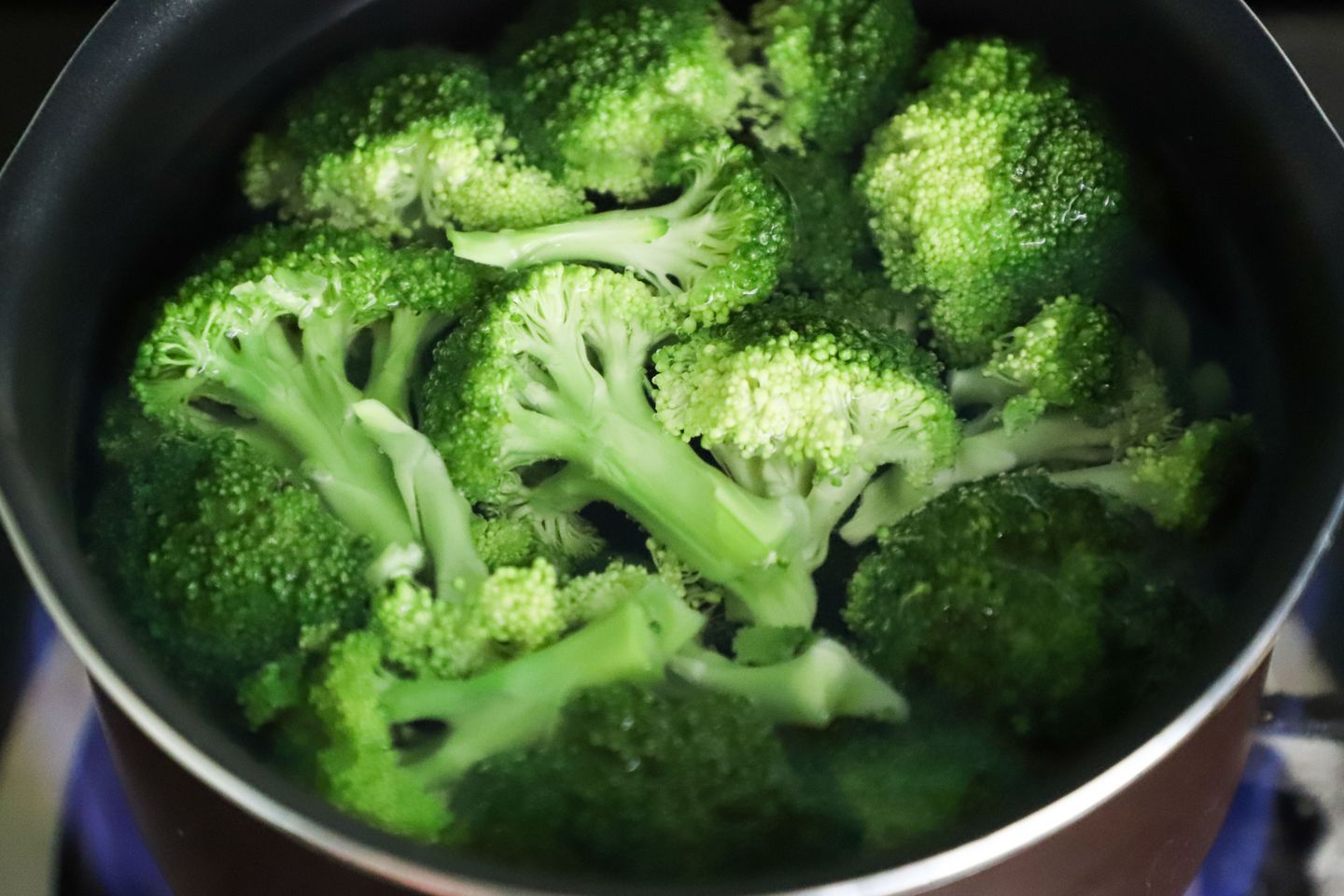
Wash the broccoli under running water. Cut the florets away from the main stalk and divide the big pieces into smaller ones. Use the flat part of each small stem as a guide for the cut. Splitting from the stem end keeps the tiny green buds from coming off all over the board. Peel the stalk with a vegetable peeler or a knife until you reach the smoother, paler interior. Slice it thinly and cut the widest rounds into halves. If there are small leaves on the head, wash them and save the tender ones for the skillet.
Cook the broccoli until the pan goes dry
Heat the oil in a skillet over medium heat. Add the stalk slices with a pinch of salt and stir for a minute. Add the florets and two tablespoons of water, then cover the skillet. You should hear gentle bubbling for the first minute. After two or three minutes, lift the lid and check one of the larger pieces. A small knife should go through the stem with a little pressure. If the stems are still firm and the pan is dry, add another tablespoon of water and replace the lid briefly. If the stems are tender, leave the lid off.
Move the broccoli around the pan until the remaining water evaporates. Leave the pieces still for a short stretch so a few flat faces can brown. Turn them with a flexible spatula and check the bottom. The skillet should now hold tender broccoli without liquid pooling beneath it. Add any little leaves near the end and toss them through until they wilt. Take the pan off the heat. Taste a stalk piece and a floret before deciding whether to season the whole batch. The cheese and mustard will contribute salt. A squeeze of lemon can wait until the toast is ready.
If you want to use leftover steamed broccoli, start at the uncovered part. Chop any large pieces, pat them dry, and warm them in the skillet with a thin film of oil. Give them a couple of minutes to lose any surface moisture. Frozen florets will usually release more water. Cook them according to their package directions, drain them, and dry them in the pan before using. They may be softer than fresh broccoli. Cut them a little smaller so they do not slide off the bread in one piece.
Toast the bread first
Set the broiler to heat and check which rack position the oven manufacturer recommends. Use a metal sheet or other pan safe for broiling. Leave parchment and ordinary glass baking dishes out of this part. Toast the bread in a toaster or on the metal pan until both sides feel firm, stopping before the edges get as dark as you want them. They will brown further under the cheese. If you toast in the oven, stay nearby. The difference between a pale edge and a burnt one can be less than a minute.
Spread about half a teaspoon of mustard on each slice. Keep it away from the very edges where it can darken and dry out. Sprinkle a little cheddar on the mustard and spread the broccoli over it. This first layer of cheese will help the smaller pieces cling to the bread. Put the largest stalk or floret pieces toward the middle and use the smaller pieces to fill open spaces. Keep the topping fairly level. A spear standing upright will burn quickly and can pull other pieces off the toast with it when you take the first bite.
Divide the rest of the cheddar over the broccoli and let a little fall between the pieces. Slide the pan under the broiler and watch closely. The cheese will first soften, then spread, and then begin to bubble. Take the toast out once there are a few brown spots and the edges of the bread are crisp, often between one and three minutes. If your broiler heats unevenly, rotate the pan once. If the bread colors before the cheese melts, move the pan lower or briefly finish the toast in a hot oven.
Use the stovetop when a broiler is unavailable
A skillet with a lid can melt the cheese while keeping the underside of the toast dry. Toast the bread on both sides in a dry skillet over medium heat. Take it out to add the mustard, broccoli, and finely grated cheese. Return it to the pan over low heat and cover it. Watch for the cheese to spread. It can take several minutes, especially if the broccoli was cool when you began. The tops will look pale, and the base will be crisp. Add the lemon when the slices come out.
If the cheese stays in separate shreds and the bottom of the bread starts to color quickly, take the pan off the heat and leave the lid on for a minute. A heavy skillet will finish the job with its retained heat. A light skillet may need another brief return to the burner. Avoid pouring water into the pan to speed up melting. The resulting steam will wet the bread, and a dry, freshly toasted base is the reason to cook the slices this way.
Give it a minute before cutting
Let the toast sit for a minute on a rack or board so the melted cheese can settle. The underside stays crisper on a rack if the kitchen is humid or if a few slices will wait. Cut each piece in half with a sharp knife, pressing down rather than sawing through the broccoli. A little lemon on the exposed florets brings their flavor back after the cheese melts. Pickled cucumber slices or a few radishes make a useful side. They provide the sharpness without putting any extra liquid directly on the bread.
If lunch needs to wait, keep the parts apart. The broccoli can be cooked, cooled promptly, and refrigerated, then warmed in a skillet before assembly. Grated cheddar can stay in its own covered container. Toasting the bread in advance saves little time and makes it easier to overcook when the slices go under the broiler. If you have a finished slice left over, refrigerate it promptly and reheat it in an oven or skillet rather than eating it after a long wait at room temperature. An open skillet dries the bottom while a brief finish under the broiler revives the top.
You can make a smaller snack from the thin slices near the end of a loaf. Chop the broccoli nearly as small as the grated cheese. Spread both in a low layer and use a knife to cut the toast into fingers while it is still warm. With a thicker piece of bread for dinner, leave some pieces of broccoli whole so the cut surfaces stay juicy. A slice that needs a knife and fork is still worth making. The useful test is whether the bottom can hold up to the topping until the last bite.