White Beans with Rosemary Toast
Turn two cans of white beans into a brothy supper with soft onions, lemon, and toast sturdy enough to soak up the last spoonful.
8 min read
A bowl of white beans can be dinner without becoming a stew. Keep a little clear broth around the beans and put a piece of substantial toast next to it. At the table, dip the tip of the toast, turn it over to catch some beans, and eat it while the rest of the bread is still crisp. The bowl and the toast belong together, but each keeps a texture of its own. That is worth preserving all the way from the skillet to the table.
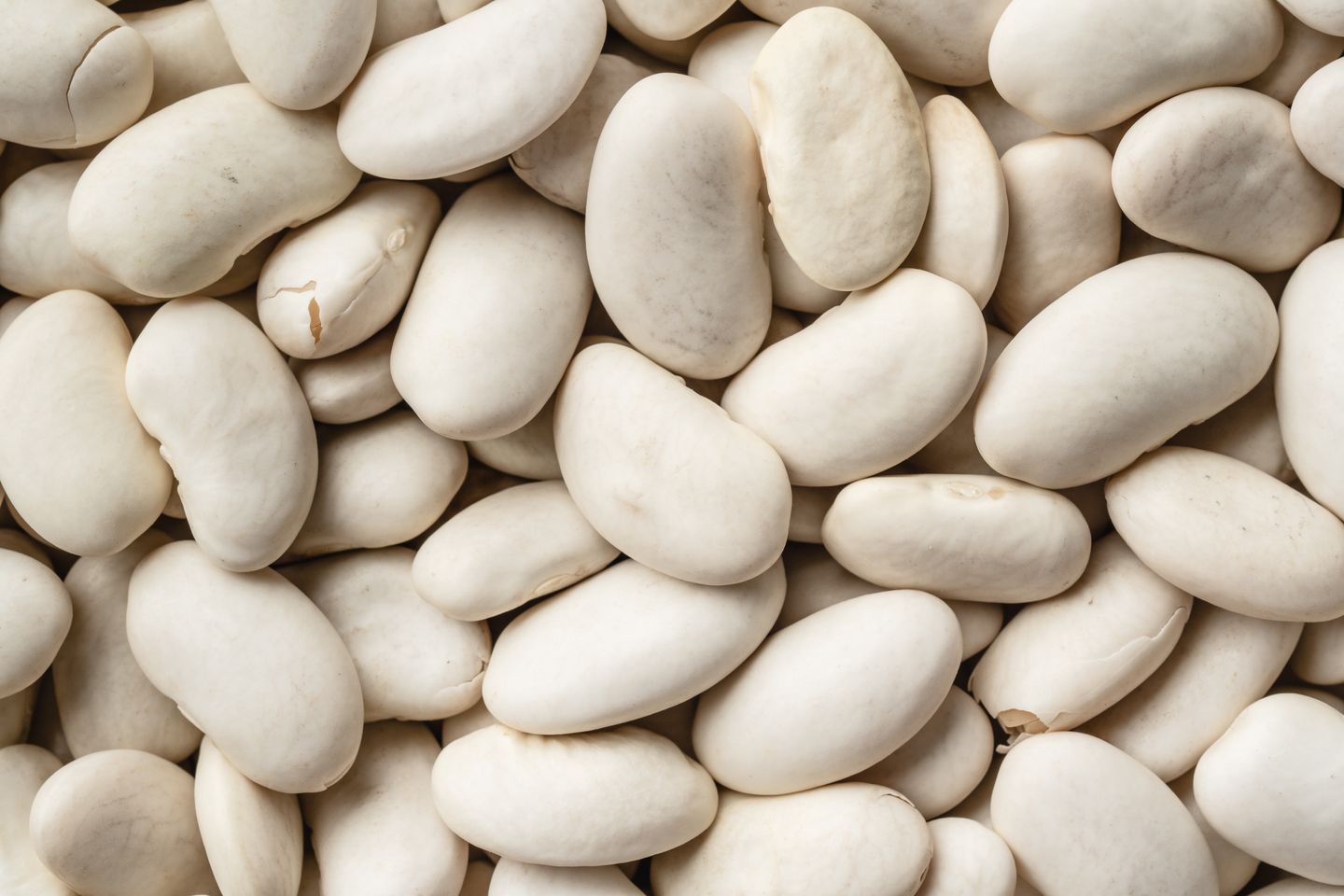
The recipe begins with canned beans. The useful work has already been done: the skins are soft, the centers are cooked, and dinner needn't depend on the age of a bag of dried beans. The work left for the cook is seasoning the broth around them. An onion cooks gently until almost translucent. A short piece of rosemary perfumes some warm olive oil before it goes onto the toast. Lemon arrives at the very end, when the broth is finished and you can tell how much it actually needs.
Ingredients for four bowls
- Two 15-ounce cans cannellini or other white beans, drained and rinsed
- 3 tablespoons olive oil for the beans, plus 2 tablespoons for the toast
- 1 medium yellow onion, about 6 ounces, finely diced
- 2 garlic cloves, finely chopped, and 1 whole garlic clove for the bread
- 1 small carrot, about 2 ounces, finely diced
- 2 cups unsalted vegetable broth, plus hot water if needed
- 1 bay leaf
- 1 fresh rosemary sprig, about 4 inches long
- 4 thick slices of country bread, preferably about 3/4 inch thick
- 1/2 teaspoon fine sea salt, divided, with more to taste
- 1 tablespoon fresh lemon juice, plus wedges for serving
- 2 tablespoons chopped flat-leaf parsley
- Freshly ground black pepper
A saucepan about 8 inches across and holding 3 quarts gives the onion room to cook without requiring a large volume of broth to cover the beans. A skillet works for four small slices of bread. If your slices are long or irregular, use a baking sheet and the oven so they all finish at the same time.
Cannellini beans have a big, soft interior that makes them particularly easy to crush against the side of a saucepan. Smaller navy beans work too and give each spoonful more skins and a slightly firmer texture. Great Northern beans fall somewhere between the two. Canned chickpeas make a pleasant supper in this broth, though you would want to crush fewer of them and leave the result thinner. Whatever you buy, the final salt adjustment happens in the pot. Even after rinsing, brands vary in how salty their beans taste.
Build the broth around the beans
Pour 3 tablespoons of oil into the saucepan over medium-low heat. Add the onion, carrot, and 1/4 teaspoon fine salt. Stir and cook for about 8 to 12 minutes. You are waiting for the pieces of onion to turn translucent and flexible. A sample should yield when you press it between a spoon and the side of the pan. The carrot can still be slightly firm at this point. If the onion browns at the edges before it softens, lower the heat and add a tablespoon of water. That little burst of steam buys time without making the whole pot watery.
Stir in the chopped garlic for about 30 seconds. When it smells fragrant, add the broth, beans, and bay leaf. Bring the liquid to a gentle simmer over medium heat, then lower the heat until it bubbles in several small spots. Leave the pot uncovered. After 12 minutes, fish out one bean. Its center should be hot and soft, and the surrounding broth should taste of the onion and carrot. If the broth still tastes thin and the vegetables firm, give it another 5 minutes.
Use a broad spoon to crush about half a cup of the beans against the wall of the pot. You can scoop them into a small bowl first if the pan is narrow or deep. Return the crushed beans to the liquid and stir once or twice. Let it simmer another 2 minutes. The liquid should flow easily from the spoon with enough body to cling lightly to the beans. Add hot water a few tablespoons at a time if you overshoot. Crushing a second batch will thicken a watery broth, but give the first batch time to dissolve before deciding. Once the beans are dense enough to mound, you've made something closer to a spread.
Discard the bay leaf. Turn off the heat and stir in the lemon juice and some black pepper. Taste a spoonful that includes broth and a bean. If the broth is lively and the bean still bland, add salt, stir and wait a minute before trying again. If the bean is well seasoned but the whole bite seems heavy, a squeeze from one of the serving wedges can brighten it. A tablespoon of lemon juice sets a starting point because the acidity and size of lemons vary.
Make toast that can sit in broth
Start the toast while the beans simmer. Heat the oven to 425°F (220°C). Brush each slice of bread on both sides with a thin film of olive oil, using about 1 tablespoon in total. Arrange the slices in a single layer on a sheet pan and bake about 7 to 10 minutes, turning them once. Thin bread will be ready at the early end. Take the slices out when both sides feel firm and the edges color, then set them upright against each other or on a wire rack so the undersides stay dry.
Meanwhile, put the remaining tablespoon of olive oil in the smallest pan you have, with the rosemary sprig. Heat gently for a minute or two, just until a few small bubbles form near the leaves and you can smell the rosemary. Remove the pan from the heat and let it stand while the toast finishes. Hold the whole garlic clove by its root end and drag a cut surface once across each hot slice. The roughness of the toast will wear a little fresh garlic directly onto the bread. Remove the rosemary from the oil and brush the fragrant oil over the side you rubbed with garlic. A small pinch of salt can go here if the bread is lightly salted.
On the stovetop, use medium heat and turn the lightly oiled slices after 2 or 3 minutes. A wide metal spatula helps if the bread is shaped like a long wedge. Move the first batch to a rack while the second cooks. Rub and brush all of the toast while warm. If rosemary is unavailable, use a few thyme sprigs in the warm oil and remove them before brushing. Dried rosemary can be unpleasantly hard on toast. Steep a small pinch in the warm oil and strain it rather than scattering the dry leaves over the bread.
Decide how to serve it
Warm shallow bowls by filling them with hot tap water while the toast cooks. Empty and dry them before ladling in the beans. If you're serving at the counter, place half a slice in each bowl and set the other half across the rim. The piece in the bowl becomes soft enough to eat with a spoon. The piece across the rim still snaps. For a meal that might sit while someone arrives home, serve the toast on a separate plate and leave the beans covered on the stove. Scatter the parsley as the bowls are served so the leaves keep their color.
You can put something green into the saucepan, though it changes both the amount of liquid and when you should add the lemon. For two cups of chopped tender spinach, stir the leaves into the simmering broth after crushing the beans and wait for them to collapse. For stems of chard, dice the stems and soften them with the carrot at the start, then add thin strips of leaves with about five minutes of simmering left. Taste after they wilt. The greens carry a surprising amount of broth out of the bowl on each spoonful, so the beans may need a little more liquid to stay loose.
There is a good variation for a table of six: serve this in small bowls before a roast or a main course of vegetables, and cut the toast into long narrow pieces that can be lifted out without a spoon. The same amount of beans works because each diner needs only a small ladle. To serve four as a full meal with salad, keep the slices thick. A bright salad with a little raw fennel or celery contributes a different kind of crunch from the toast, and both can be dressed while the beans are quietly simmering.
Make the leftovers a different supper
Store the beans in the refrigerator separately from the bread. Ladle the beans and broth into shallow containers and chill promptly. Refrigerated leftovers should be used within three to four days. The broth often looks thick when cold because the crushed beans continue to hold liquid. To loosen it, warm a portion with a few spoonfuls of water and stir gently once it is hot. Taste before adding more lemon. The finished broth often has enough lemon left, while a small handful of fresh parsley or a little grated lemon zest restores the fresh smell.
For a second meal, mash the heated beans more thoroughly. Begin with roughly a cup of beans and just enough broth to keep them moving. Spread the warm mash onto bread and put it under the broiler briefly to dry the top, or use it as a soft layer beneath roasted vegetables. To make lunch into soup instead, add enough broth to turn the beans spoonable, then stir in a little cooked farro and a handful of chopped herbs. These choices work because the first night's pot was seasoned as a broth and left some beans whole. A sturdy bean and a soft one will still have something different to contribute tomorrow.